
 Image 1 of 2
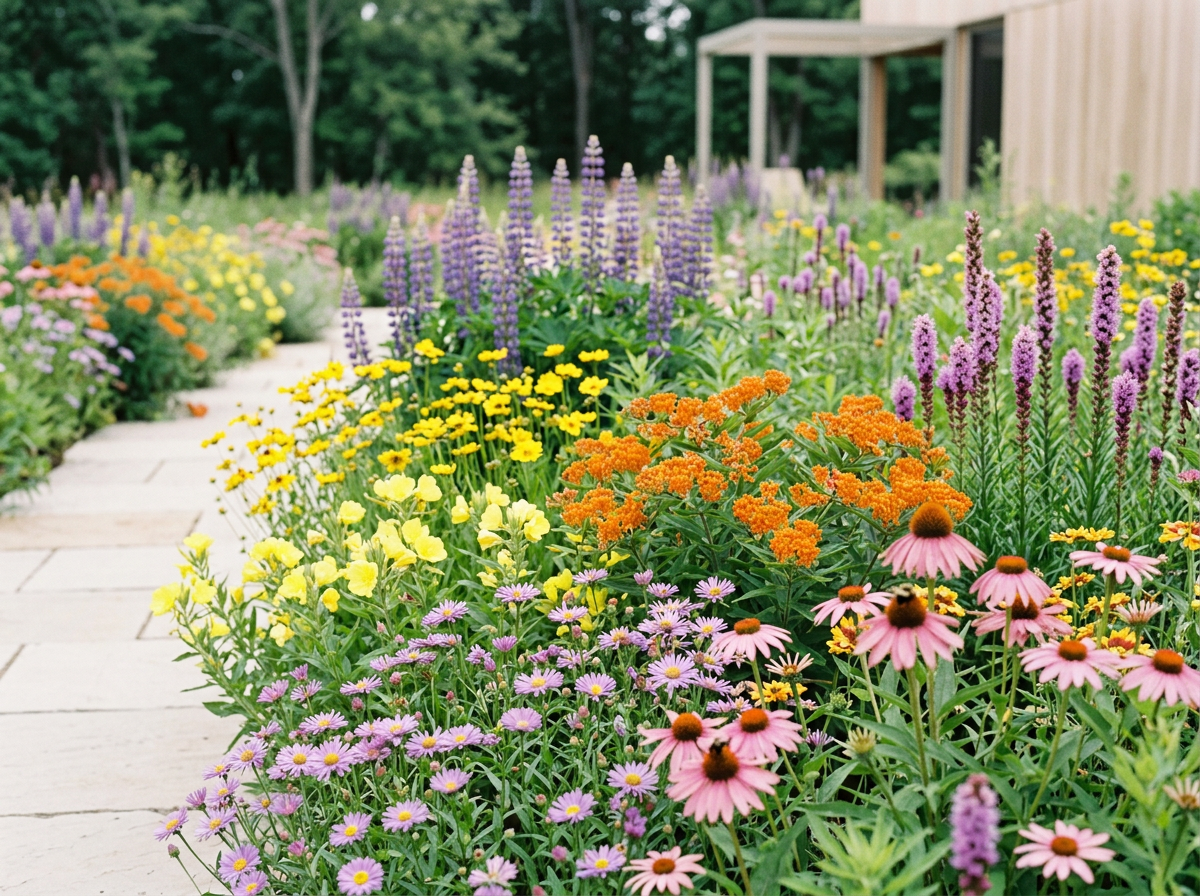 Image 2 of 2

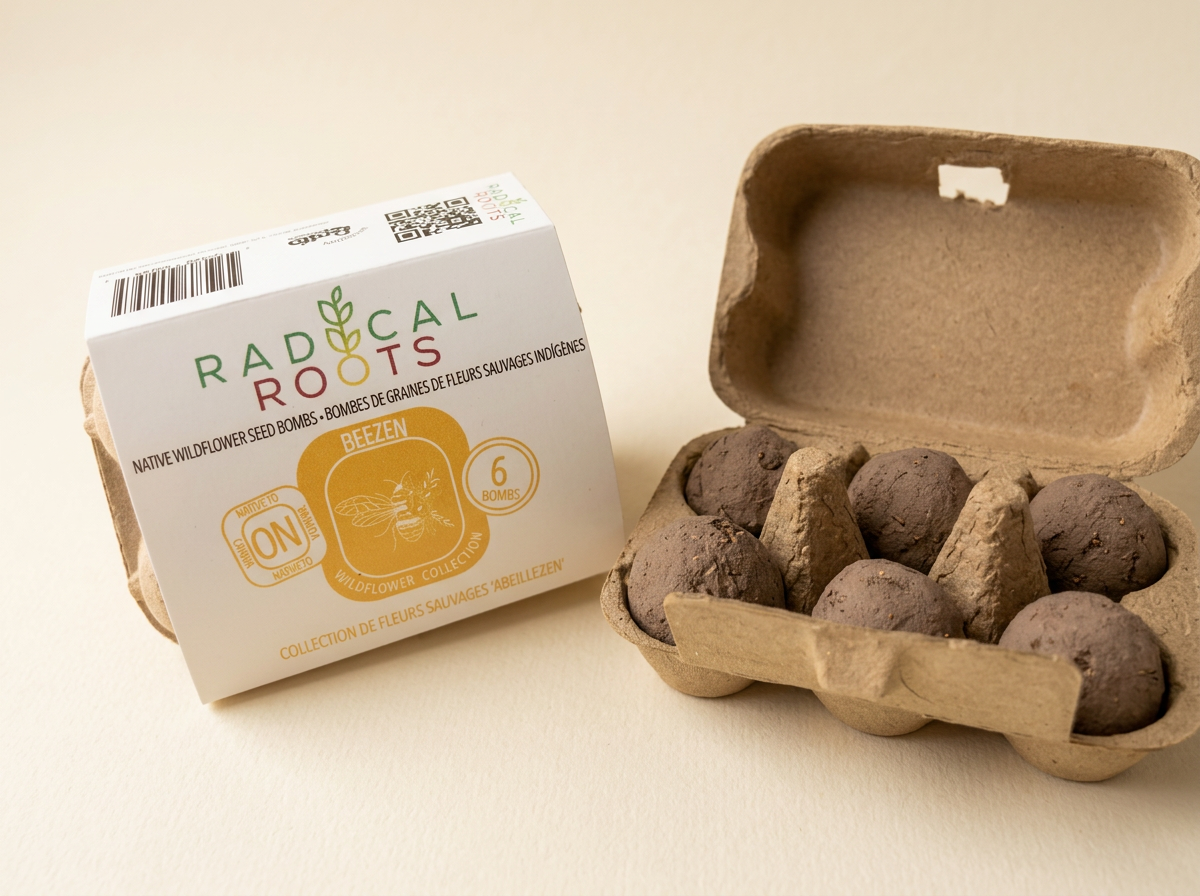
A regionally tailored native wildflower mix for Ontario and Quebec, selected to feed bees and other pollinators from late spring into fall. The blend pairs early bloomers with summer and fall flowers, so nectar and pollen are available across the whole growing season. These seed bombs are best used in sunny to partly sunny locations with well-drained soil, along garden edges, meadows, naturalized lawn areas, roadside plantings and restoration patches. Each seed bomb combines native seeds with clay, worm castings and biochar to protect the seeds until conditions are right for germination.
Included species
Wild Lupine (Lupinus perennis)
Butterfly Milkweed (Asclepias tuberosa)
Lance Leaf Coreopsis (Coreopsis lanceolata)
New England Aster (Symphyotrichum novae-angliae)
Wild Bergamot (Monarda fistulosa)
Evening Primrose (Oenothera biennis)
Purple Coneflower (Echinacea purpurea)
Planting notes
When: Fall is ideal, just before the ground freezes. Spring planting works too once temperatures are cool.
Where: Bare or lightly loosened soil with as little competing vegetation as possible. Seed bombs can be set directly on the soil or even on snow in late fall.
How: Place each seed bomb on the soil and if desired press it in so it sits snug against the ground. Leave about 30 cm (1 ft) between seed bombs. Water lightly if rain isn’t expected.
What to expect: Native wildflowers take patience. Many establish roots in their first year and bloom more fully in later seasons, and some seeds wait for a freeze-thaw cycle before germinating.
Pack contents: Six seed bombs, covering about approx. 6 square feet.
A regionally tailored native wildflower mix for Ontario and Quebec, selected to feed bees and other pollinators from late spring into fall. The blend pairs early bloomers with summer and fall flowers, so nectar and pollen are available across the whole growing season. These seed bombs are best used in sunny to partly sunny locations with well-drained soil, along garden edges, meadows, naturalized lawn areas, roadside plantings and restoration patches. Each seed bomb combines native seeds with clay, worm castings and biochar to protect the seeds until conditions are right for germination.
Included species
Wild Lupine (Lupinus perennis)
Butterfly Milkweed (Asclepias tuberosa)
Lance Leaf Coreopsis (Coreopsis lanceolata)
New England Aster (Symphyotrichum novae-angliae)
Wild Bergamot (Monarda fistulosa)
Evening Primrose (Oenothera biennis)
Purple Coneflower (Echinacea purpurea)
Planting notes
When: Fall is ideal, just before the ground freezes. Spring planting works too once temperatures are cool.
Where: Bare or lightly loosened soil with as little competing vegetation as possible. Seed bombs can be set directly on the soil or even on snow in late fall.
How: Place each seed bomb on the soil and if desired press it in so it sits snug against the ground. Leave about 30 cm (1 ft) between seed bombs. Water lightly if rain isn’t expected.
What to expect: Native wildflowers take patience. Many establish roots in their first year and bloom more fully in later seasons, and some seeds wait for a freeze-thaw cycle before germinating.
Pack contents: Six seed bombs, covering about approx. 6 square feet.