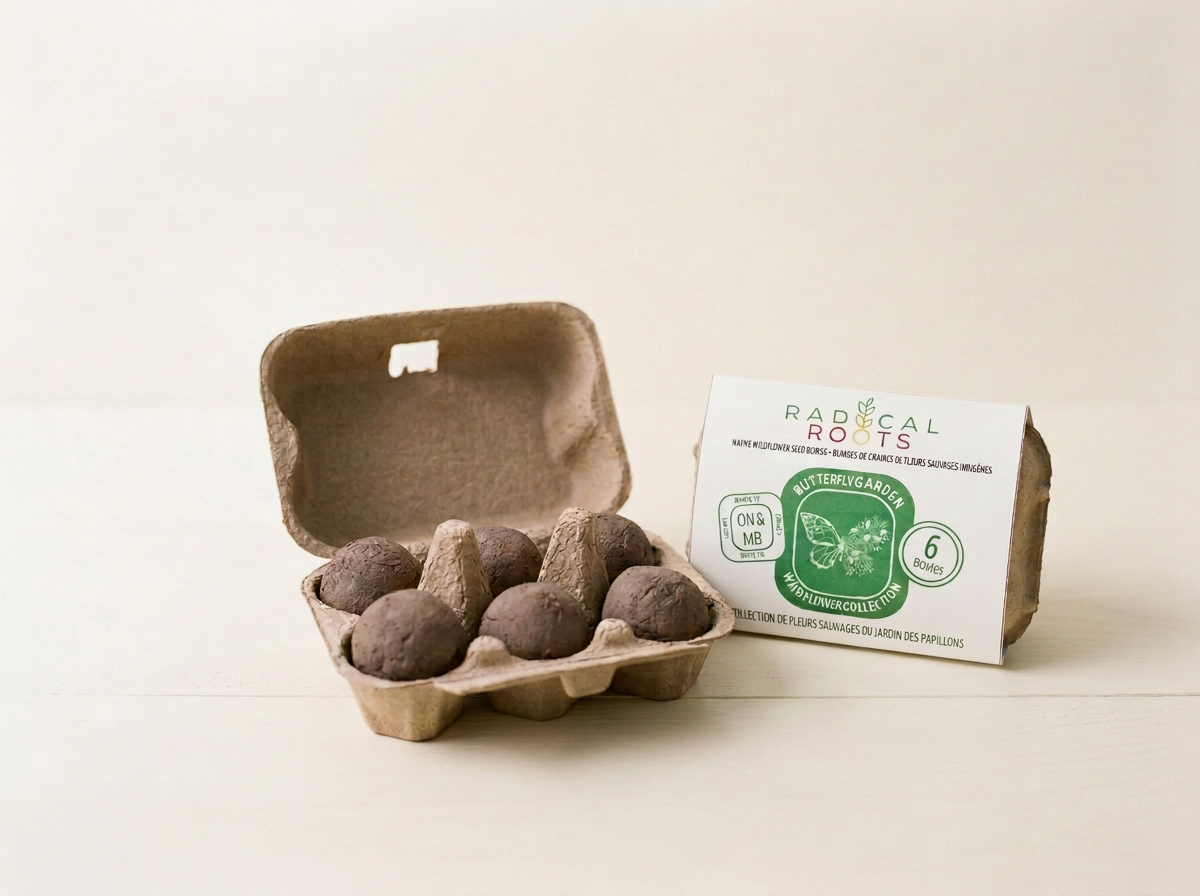
Butterfly Garden Native Wildflower Seed Bombs

$14.00

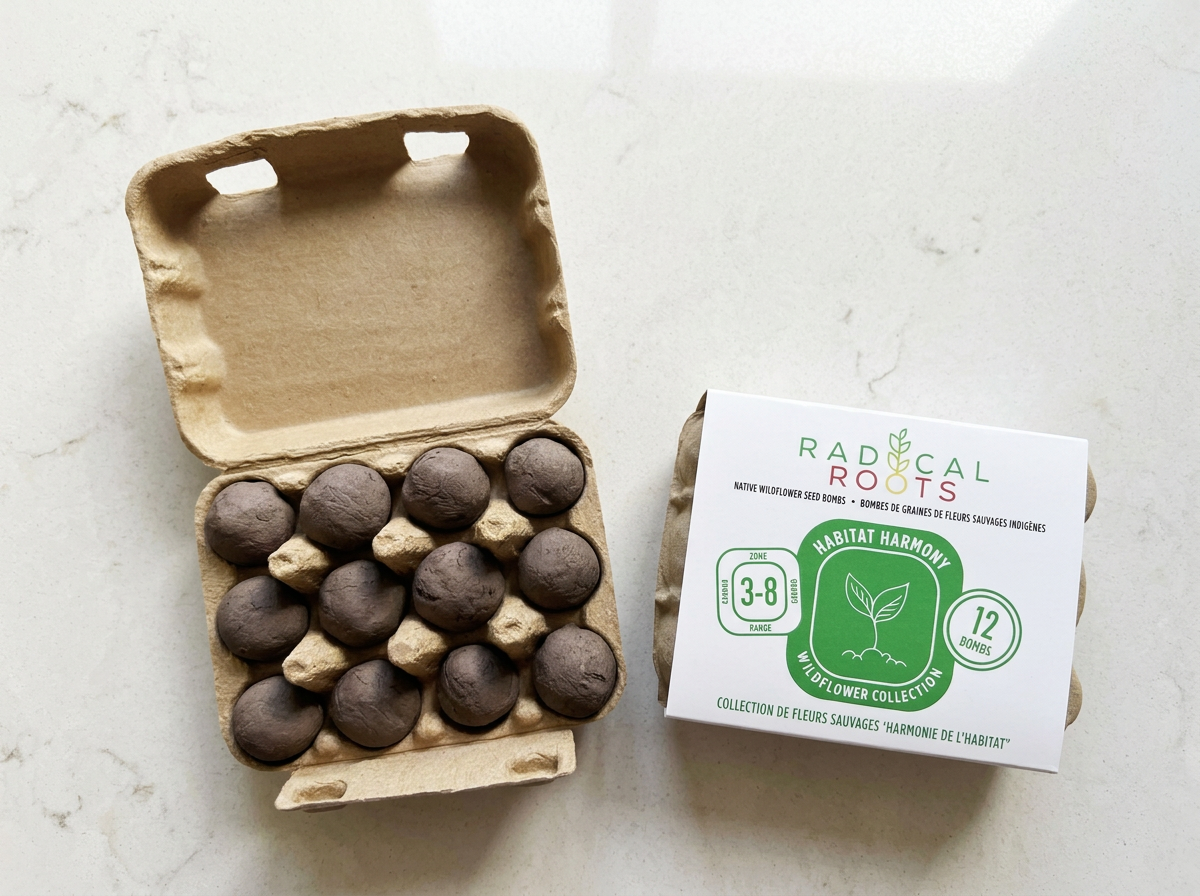
Butterfly Garden Seed Bombs — Ontario & Quebec Mix

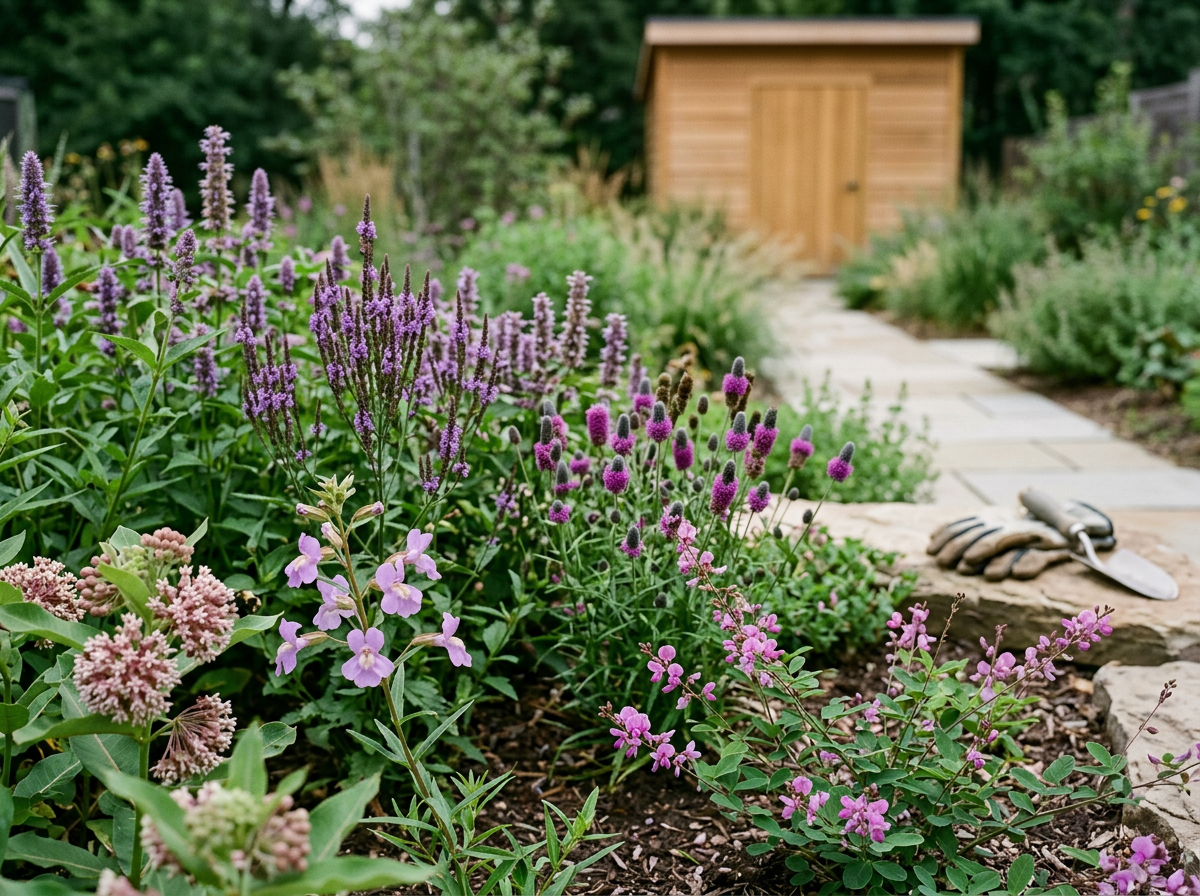
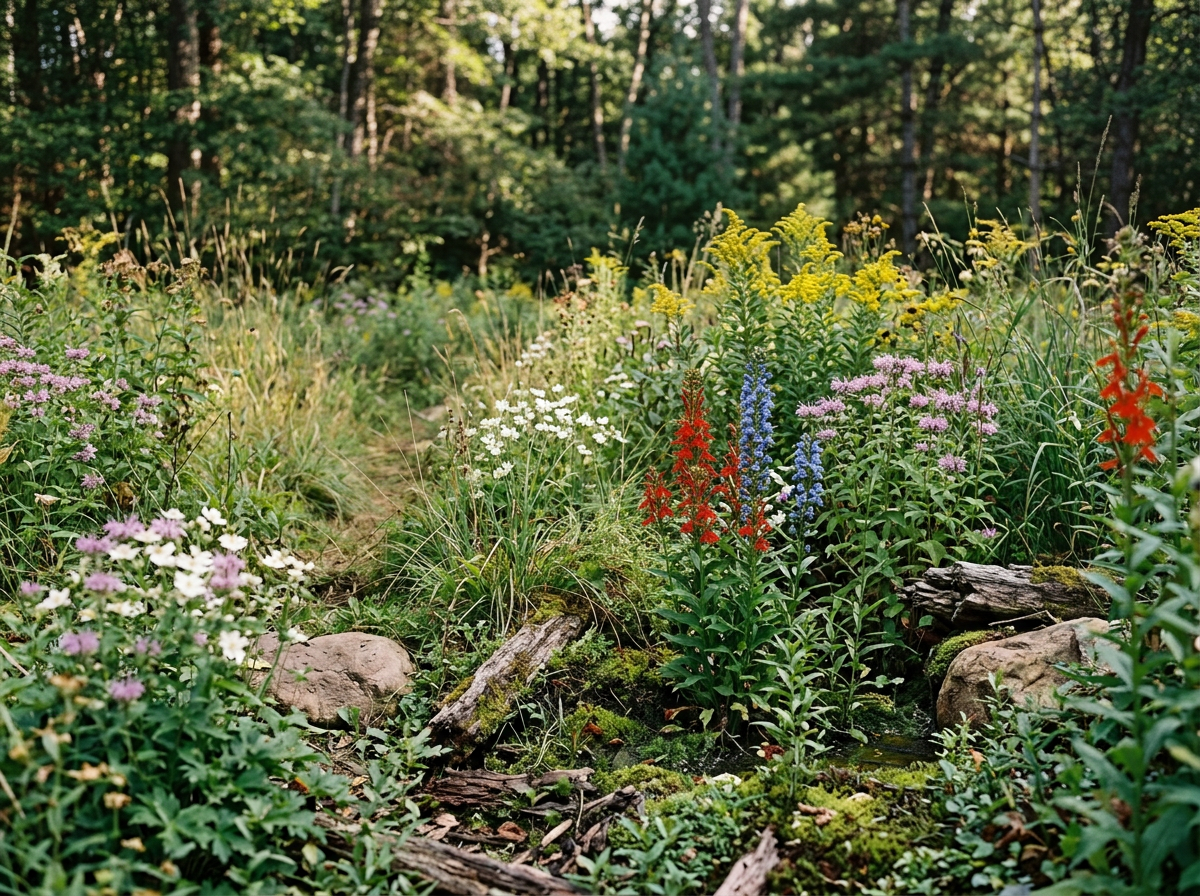
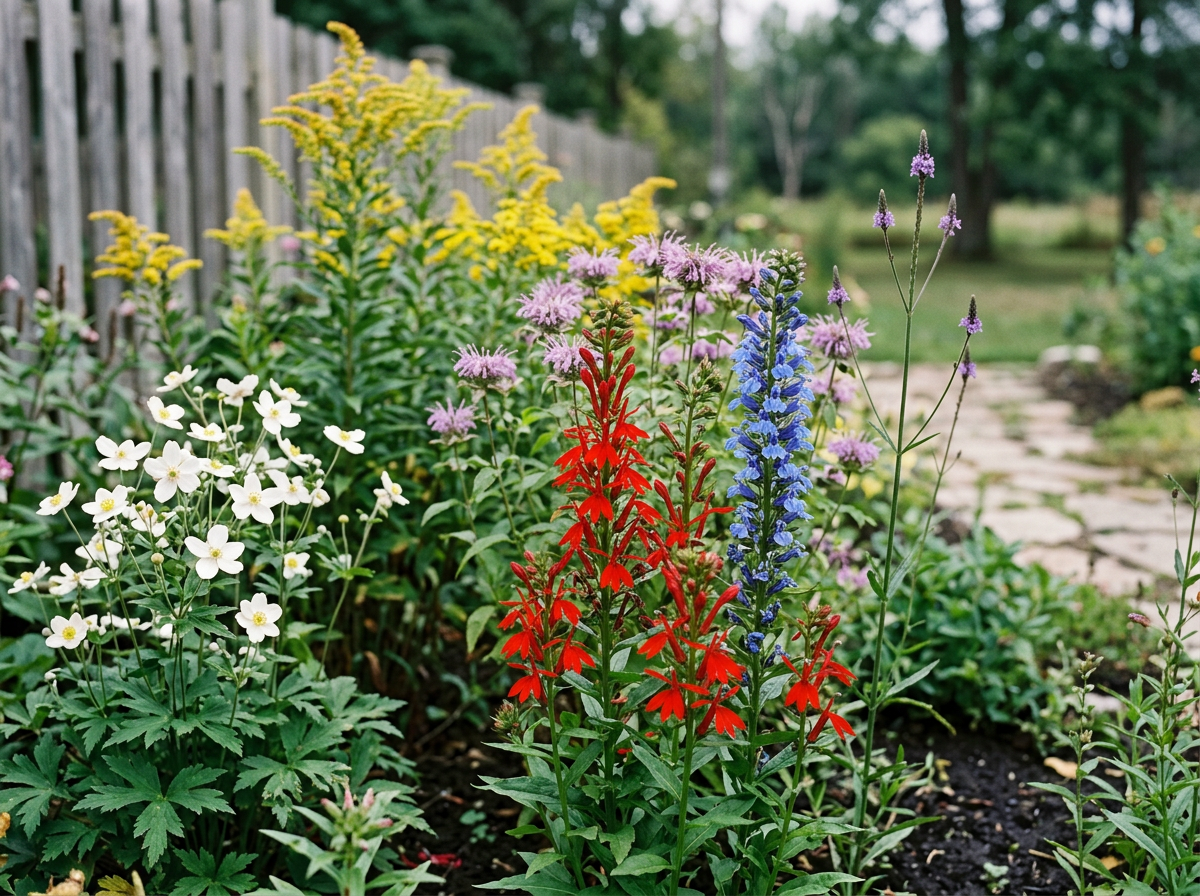
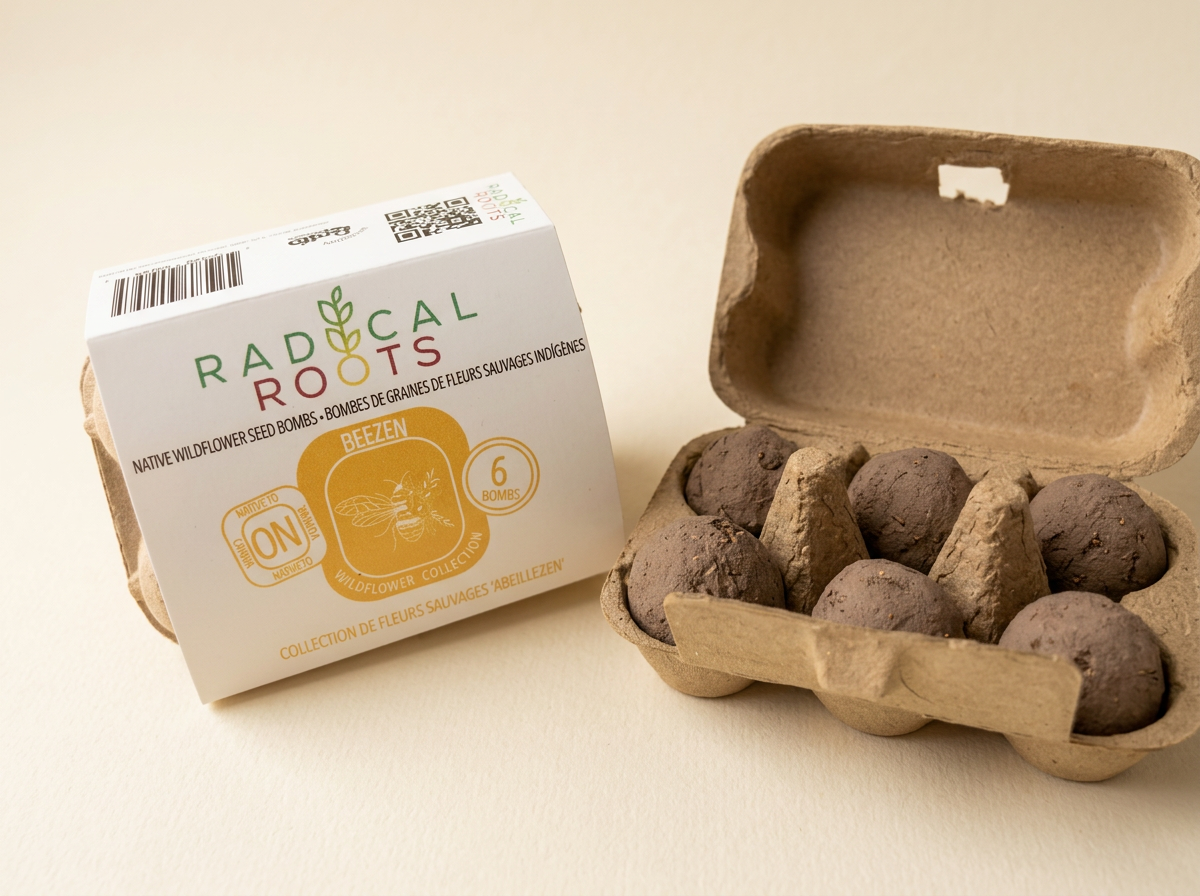
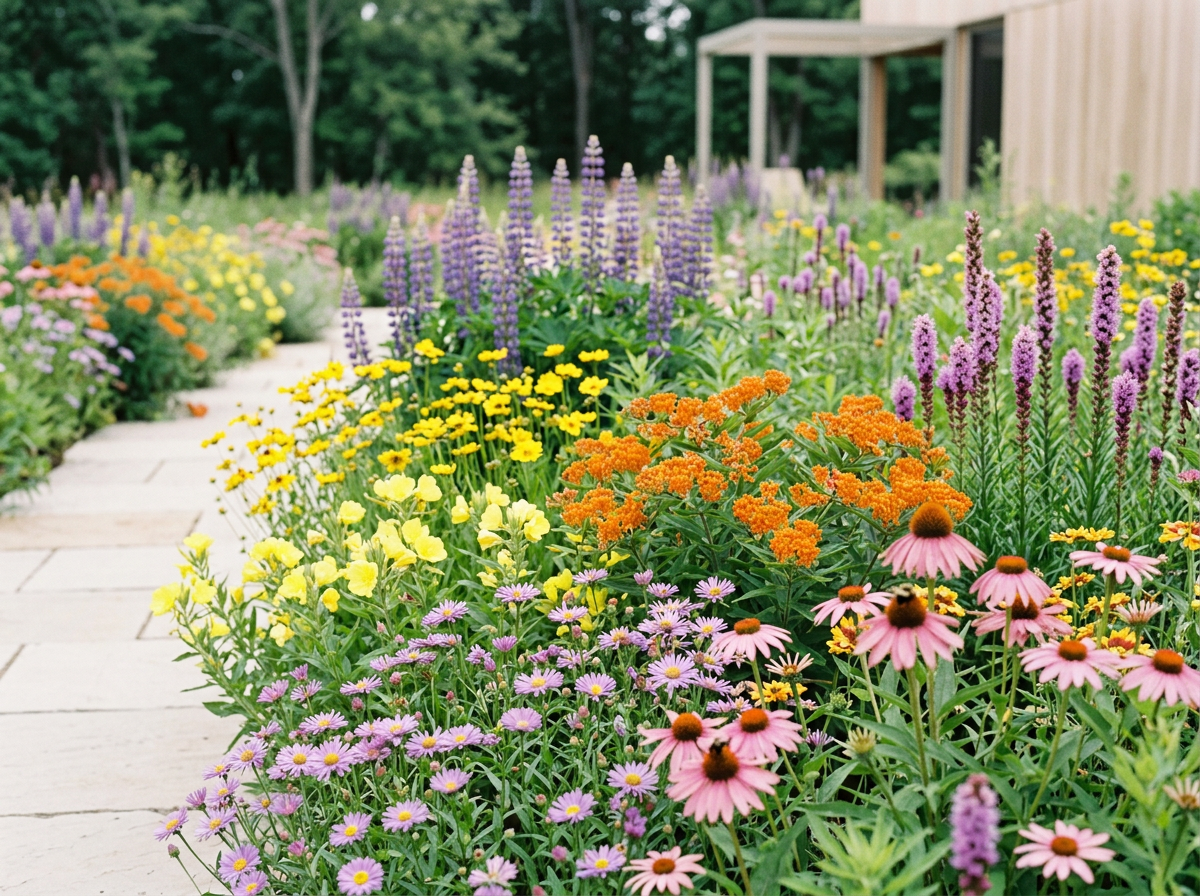
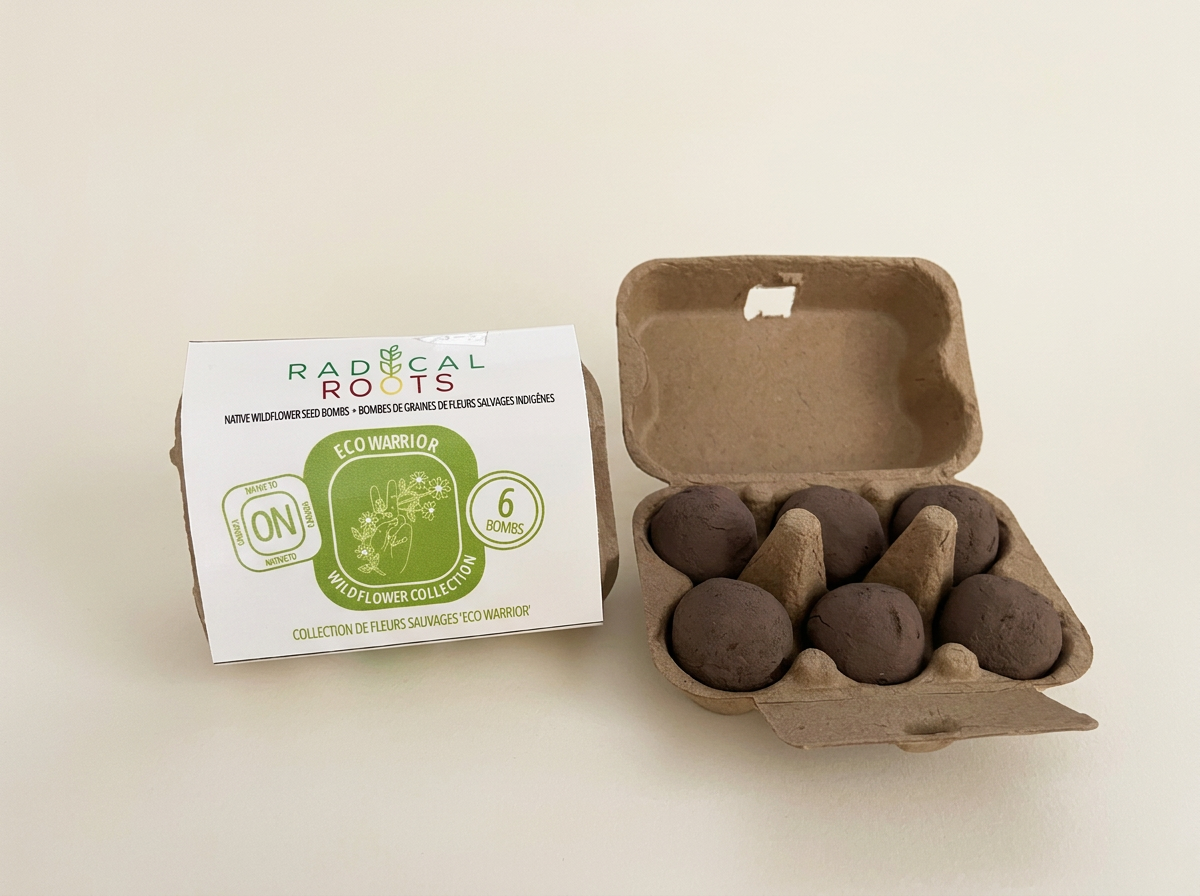
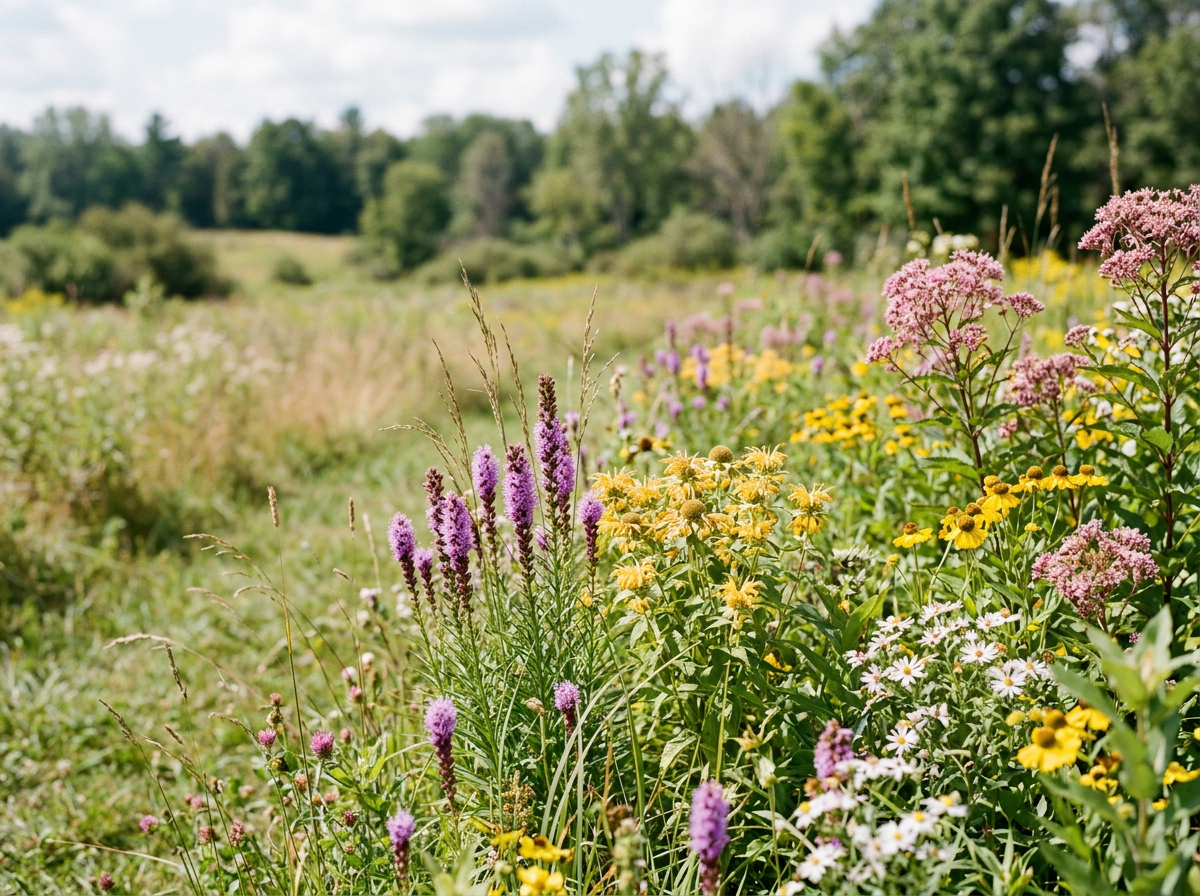
A regionally tailored seed-bomb mix for Ontario and Quebec, selected to attract and support native butterflies, provide nectar through the flight season, and offer larval host plants where appropriate. These seed bombs are best used in sunny to partly sunny locations, along garden edges, meadows, roadside plantings, or restoration patches. Pack contents and planting notes are optimized for the local climate and pollinator communities.

Included species (description, benefits, and planting notes)

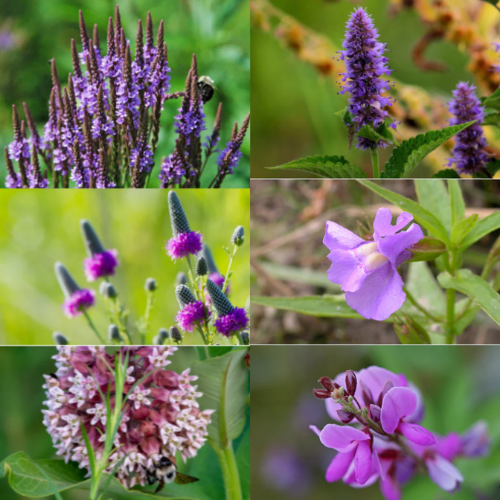
  • Blue Vervain (Verbena hastata)

    • Description: Upright, native perennial with tall spires of purple-blue flowers from mid to late summer.

    • Benefits: High-value nectar source for many butterfly species, bees, and other pollinators; good for late-season foraging.

    • Planting notes: Prefers full sun to part shade and moist to average soils; tolerates occasional wet spots.

  • Purple Prairie Clover (Dalea purpurea)

    • Description: Compact, clover-like heads of purple flowers on fine stems; a prairie native perennial.

    • Benefits: Nectar-rich for butterflies and bees; fixes nitrogen, improving soil fertility.

    • Planting notes: Thrives in full sun and well-drained soils; drought-tolerant once established.

  • Common Milkweed (Asclepias syriaca)

    • Description: Tall perennial with clusters of scented pink to mauve flowers and characteristic seed pods; principal host for monarch caterpillars.

    • Benefits: Essential larval host for monarch butterflies and nectar source for many species; supports a wide range of pollinators.

    • Planting notes: Prefers full sun and well-drained to slightly sandy soils; can spread by rhizomes—use in dedicated patches or meadow areas.

  • Lavender Hyssop (Agastache foeniculum)

    • Description: Aromatic perennial with spikes of lavender to purple flowers and fragrant foliage.

    • Benefits: Strong nectar producer attractive to butterflies, hummingbirds, and bees; blooms midsummer into fall.

    • Planting notes: Prefers full sun and well-drained soils; tolerates dry conditions.

  • Canada (Showy) Tick Trefoil (Desmodium canadense)

    • Description: Open, branching perennial with pinkish-lavender pea-like flowers that persist into late summer.

    • Benefits: Nectar source for butterflies and native bees; seeds are a wildlife food source.

    • Planting notes: Grows well in full sun to light shade; prefers well-drained soils but tolerates a range of conditions.

  • Square-stemmed Monkeyflower (Mimulus ringens)

    • Description: Upright perennial with tubular purple flowers often found near moist habitats.

    • Benefits: Nectar for butterflies and bees; useful in wet edges, rain gardens, and along streams.

    • Planting notes: Prefers moist to wet soils and full sun to part shade; plant in low spots or beside water features.

  • Little Bluestem (Schizachyrium scoparium)

    • Description: Warm-season native bunchgrass with fine blue-green foliage turning coppery in fall.

    • Benefits: Provides overwintering structure and shelter for insects; supports habitat diversity in meadow plantings.

    • Planting notes: Prefers full sun and well-drained soils; drought-tolerant and low-maintenance.

Seed-Bomb Use & Planting Guidelines

  • Timing: Best deployed in spring after last frost or in fall before ground freezes. Spring placement encourages germination; fall placement allows natural cold stratification for some species.

  • Placement: Choose sunny to partly sunny sites; avoid deeply shaded forest understories. Use in native meadows, pollinator strips, roadside verges, buffer zones, and garden edges.

  • Soil prep: Minimal disturbance is preferred. Lightly scrape or loosen the soil surface where you’ll place bombs to improve seed-to-soil contact.

  • Rain & watering: After placement, ensure seed bombs receive natural rainfall or water lightly for the first few weeks if conditions are dry. Avoid overwatering.

  • Spacing & density: Scatter seed bombs thinly across the area—dense clusters of aggressive species (notably common milkweed) should be avoided in small garden beds. Aim for a natural, meadow-like distribution.

  • Maintenance: Allow plants to flower and set seed; avoid mowing or cutting until late fall or early spring to preserve overwintering insects and stem structure. Control invasive weeds by targeted removal to reduce competition.

  • Notes on milkweed: Common milkweed is an important monarch host but can spread via rhizomes. If using in small garden beds, confine to a designated patch or container planting.

Butterfly Garden Seed Bombs — Ontario & Quebec Mix

A regionally tailored seed-bomb mix for Ontario and Quebec, selected to attract and support native butterflies, provide nectar through the flight season, and offer larval host plants where appropriate. These seed bombs are best used in sunny to partly sunny locations, along garden edges, meadows, roadside plantings, or restoration patches. Pack contents and planting notes are optimized for the local climate and pollinator communities.

Included species (description, benefits, and planting notes)

  • Blue Vervain (Verbena hastata)

    • Description: Upright, native perennial with tall spires of purple-blue flowers from mid to late summer.

    • Benefits: High-value nectar source for many butterfly species, bees, and other pollinators; good for late-season foraging.

    • Planting notes: Prefers full sun to part shade and moist to average soils; tolerates occasional wet spots.

  • Purple Prairie Clover (Dalea purpurea)

    • Description: Compact, clover-like heads of purple flowers on fine stems; a prairie native perennial.

    • Benefits: Nectar-rich for butterflies and bees; fixes nitrogen, improving soil fertility.

    • Planting notes: Thrives in full sun and well-drained soils; drought-tolerant once established.

  • Common Milkweed (Asclepias syriaca)

    • Description: Tall perennial with clusters of scented pink to mauve flowers and characteristic seed pods; principal host for monarch caterpillars.

    • Benefits: Essential larval host for monarch butterflies and nectar source for many species; supports a wide range of pollinators.

    • Planting notes: Prefers full sun and well-drained to slightly sandy soils; can spread by rhizomes—use in dedicated patches or meadow areas.

  • Lavender Hyssop (Agastache foeniculum)

    • Description: Aromatic perennial with spikes of lavender to purple flowers and fragrant foliage.

    • Benefits: Strong nectar producer attractive to butterflies, hummingbirds, and bees; blooms midsummer into fall.

    • Planting notes: Prefers full sun and well-drained soils; tolerates dry conditions.

  • Canada (Showy) Tick Trefoil (Desmodium canadense)

    • Description: Open, branching perennial with pinkish-lavender pea-like flowers that persist into late summer.

    • Benefits: Nectar source for butterflies and native bees; seeds are a wildlife food source.

    • Planting notes: Grows well in full sun to light shade; prefers well-drained soils but tolerates a range of conditions.

  • Square-stemmed Monkeyflower (Mimulus ringens)

    • Description: Upright perennial with tubular purple flowers often found near moist habitats.

    • Benefits: Nectar for butterflies and bees; useful in wet edges, rain gardens, and along streams.

    • Planting notes: Prefers moist to wet soils and full sun to part shade; plant in low spots or beside water features.

  • Little Bluestem (Schizachyrium scoparium)

    • Description: Warm-season native bunchgrass with fine blue-green foliage turning coppery in fall.

    • Benefits: Provides overwintering structure and shelter for insects; supports habitat diversity in meadow plantings.

    • Planting notes: Prefers full sun and well-drained soils; drought-tolerant and low-maintenance.

Seed-Bomb Use & Planting Guidelines

  • Timing: Best deployed in spring after last frost or in fall before ground freezes. Spring placement encourages germination; fall placement allows natural cold stratification for some species.

  • Placement: Choose sunny to partly sunny sites; avoid deeply shaded forest understories. Use in native meadows, pollinator strips, roadside verges, buffer zones, and garden edges.

  • Soil prep: Minimal disturbance is preferred. Lightly scrape or loosen the soil surface where you’ll place bombs to improve seed-to-soil contact.

  • Rain & watering: After placement, ensure seed bombs receive natural rainfall or water lightly for the first few weeks if conditions are dry. Avoid overwatering.

  • Spacing & density: Scatter seed bombs thinly across the area—dense clusters of aggressive species (notably common milkweed) should be avoided in small garden beds. Aim for a natural, meadow-like distribution.

  • Maintenance: Allow plants to flower and set seed; avoid mowing or cutting until late fall or early spring to preserve overwintering insects and stem structure. Control invasive weeds by targeted removal to reduce competition.

  • Notes on milkweed: Common milkweed is an important monarch host but can spread via rhizomes. If using in small garden beds, confine to a designated patch or container planting.

Rose essential oil is known to promote the beauty of your story is that it’s going to continue to evolve and your site can evolve with it.

FULL INGREDIENTS

Olive oil, coconut oil, sweet almond oil, rose essential oil, geranium essential oil