 Image 1 of 2
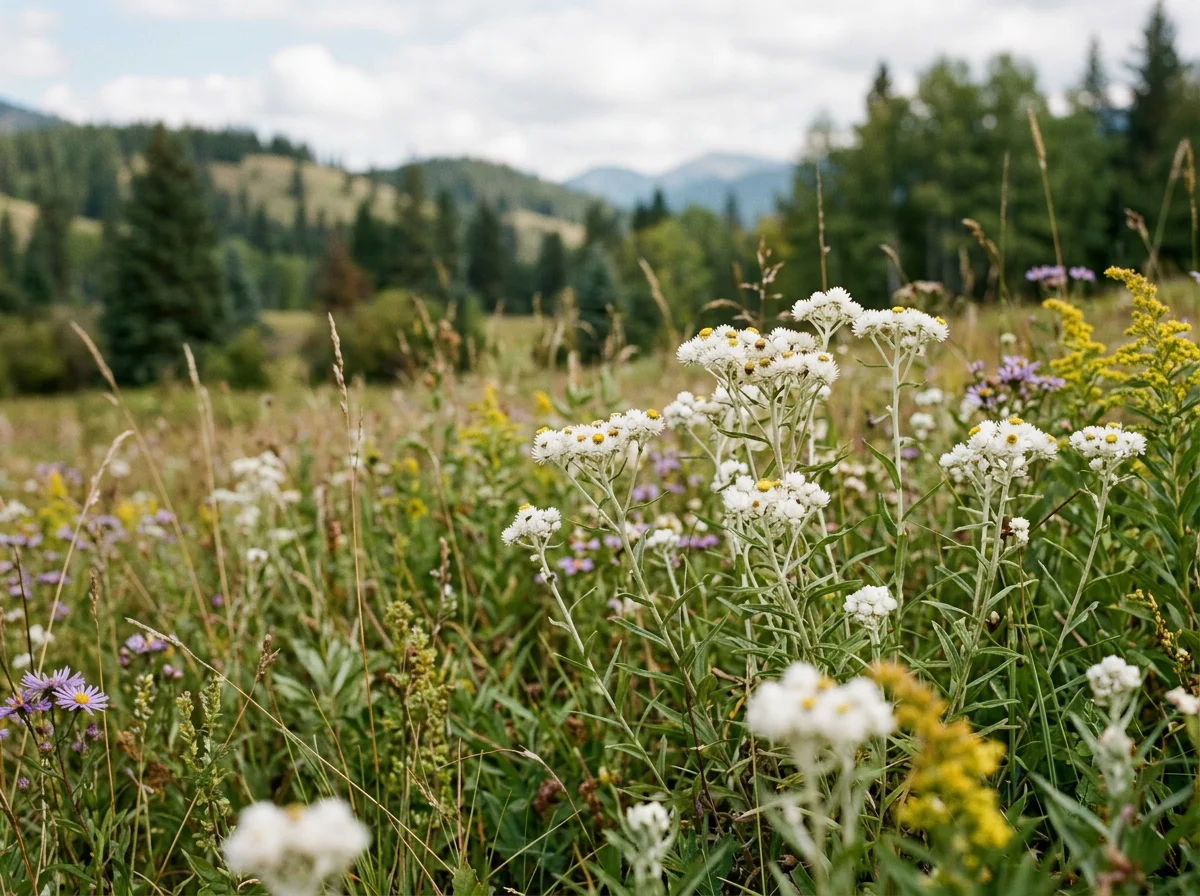 Image 2 of 2
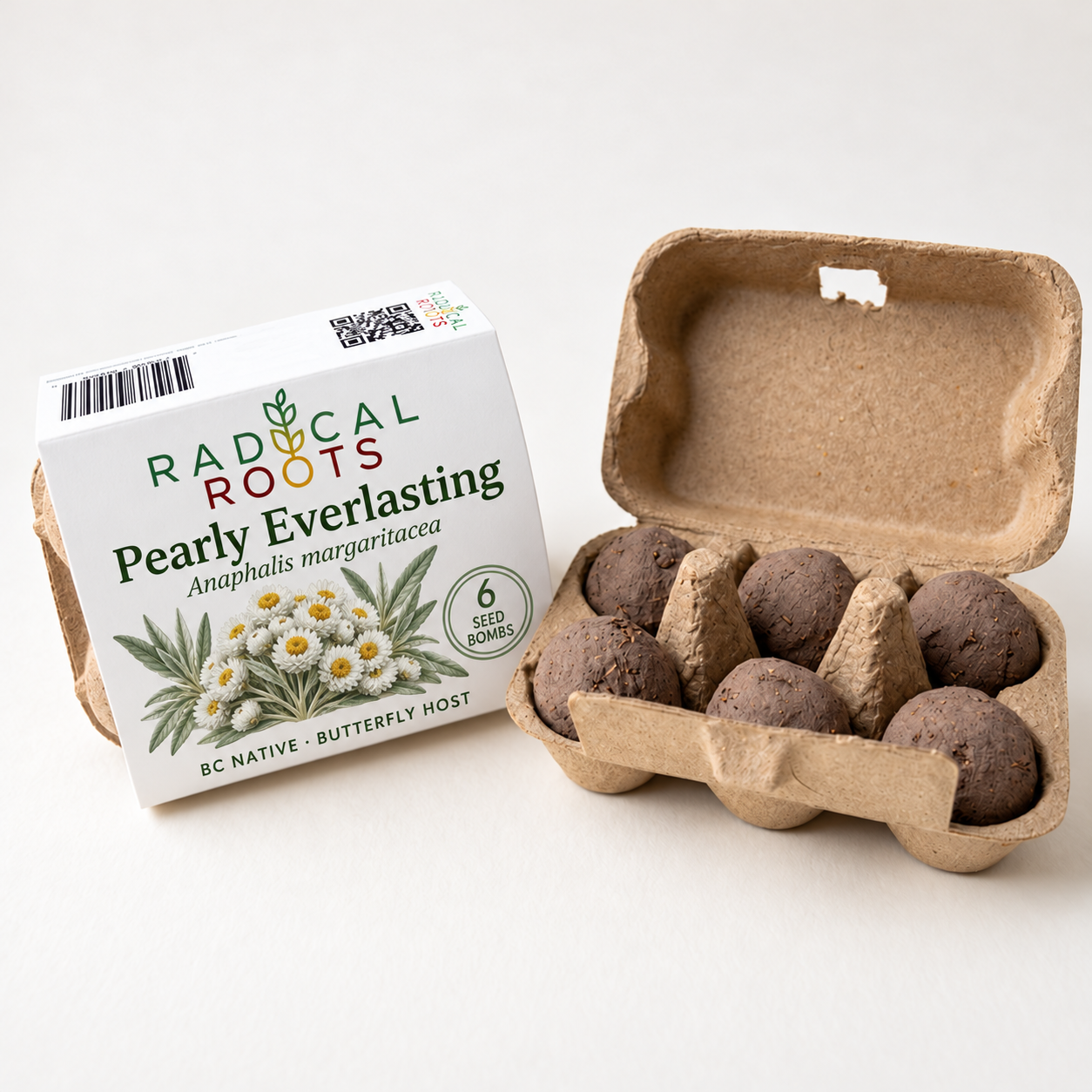
Pearly everlasting (Anaphalis margaritacea) is a native perennial for suitable British Columbia gardens and meadow habitats. Its ecological role includes feeding butterfly caterpillars: it is a larval host for American lady and painted lady butterflies. White papery flower clusters also attract visiting insects. Caterpillar feeding is a sign that a host plant is doing its job; allow some leaf damage.
Select exposed, well-drained soil in sun to partial shade, with dry to medium moisture. Water seedlings while they establish and remove competing weeds. Plants spread by rhizomes and seed; allow room. Keep standing stems and some seed heads through winter where practical to retain habitat. Avoid pesticide use on host plantings.
When to plant: spring, or fall while the soil is workable. The proposed seed generally does not need cold stratification; confirm the final seed lot before launch..
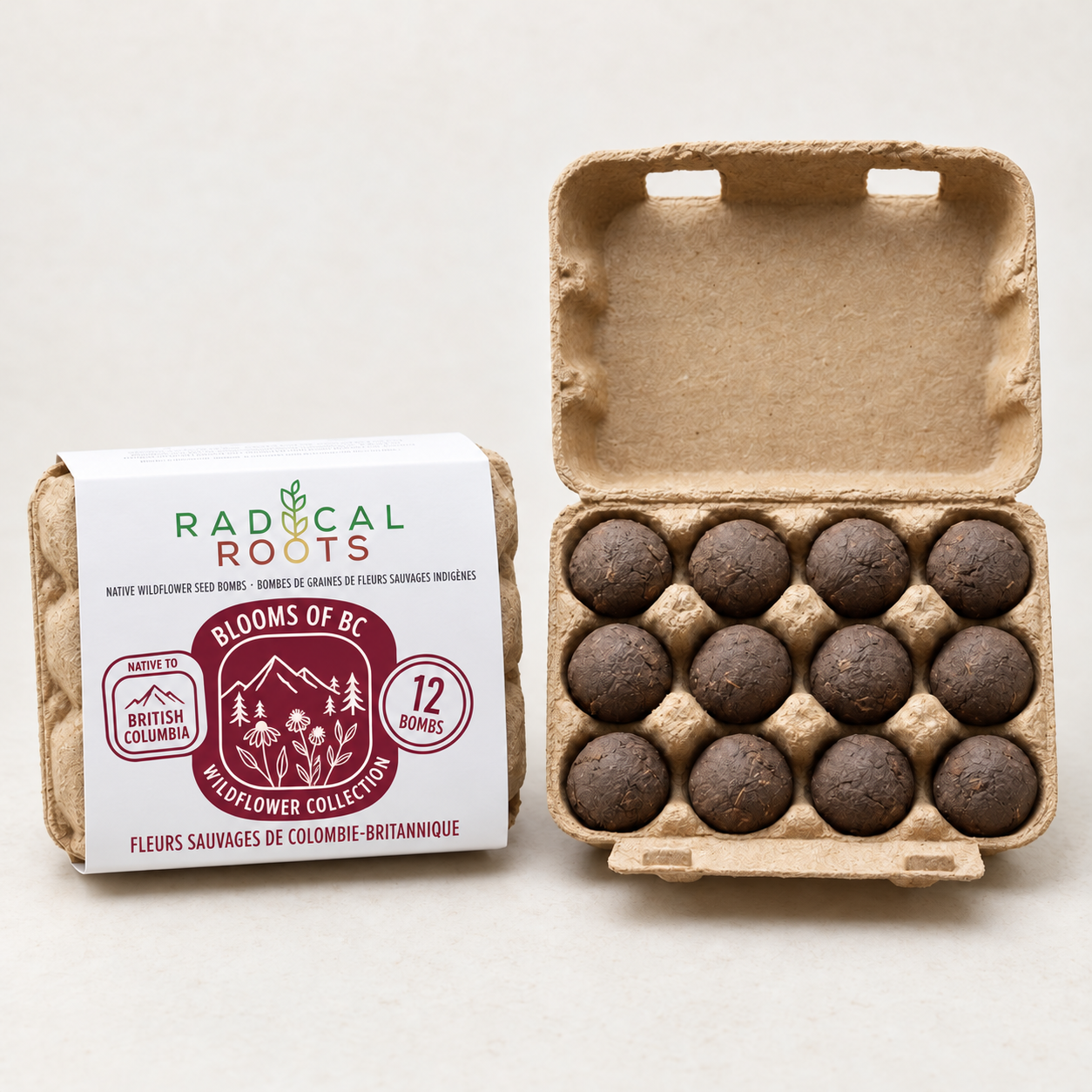
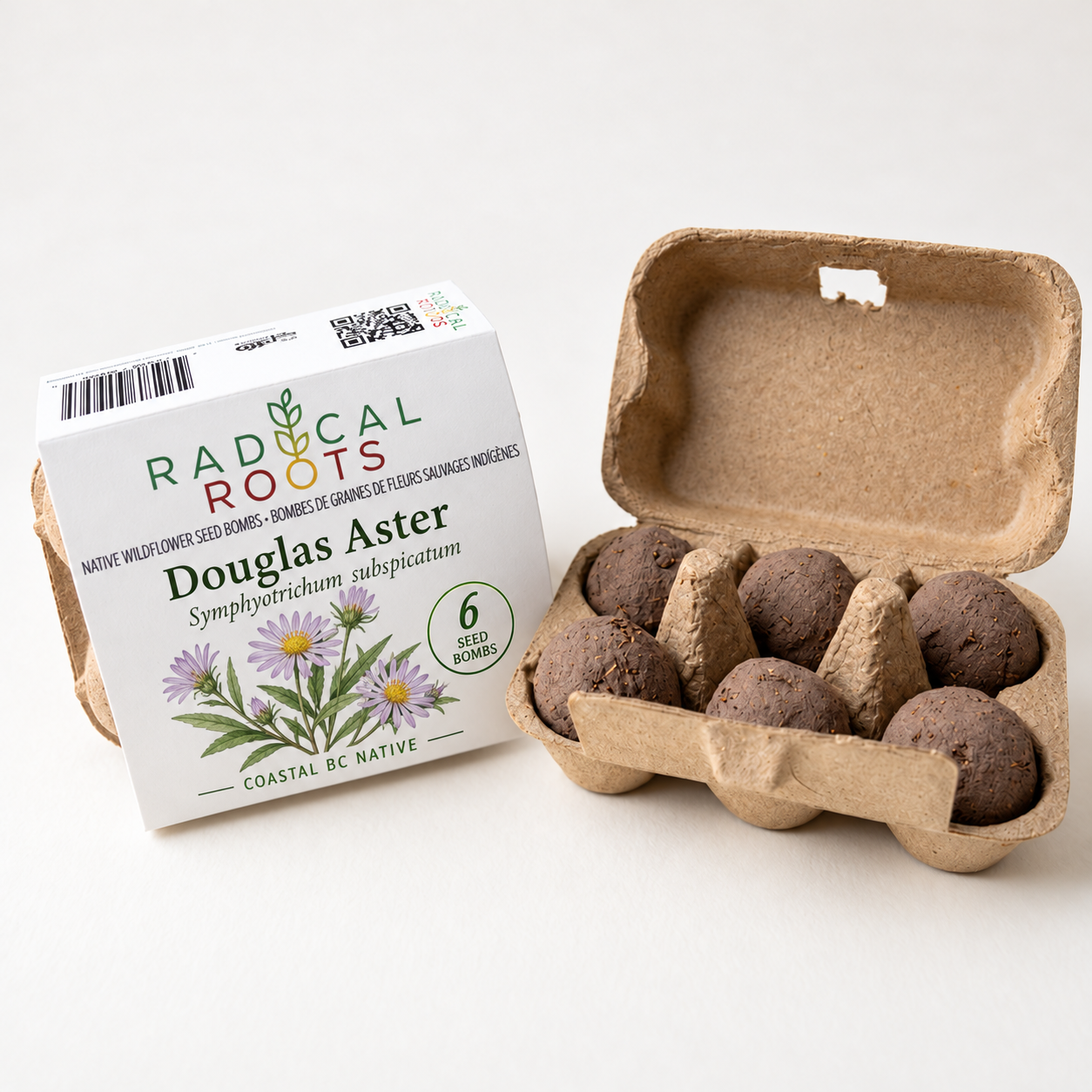
Leave the seed bombs outdoors after planting. Do not soak them in a container or refrigerate damp bombs or the carton. Emergence can be uneven, and perennial plants may need more than one growing season to flower.
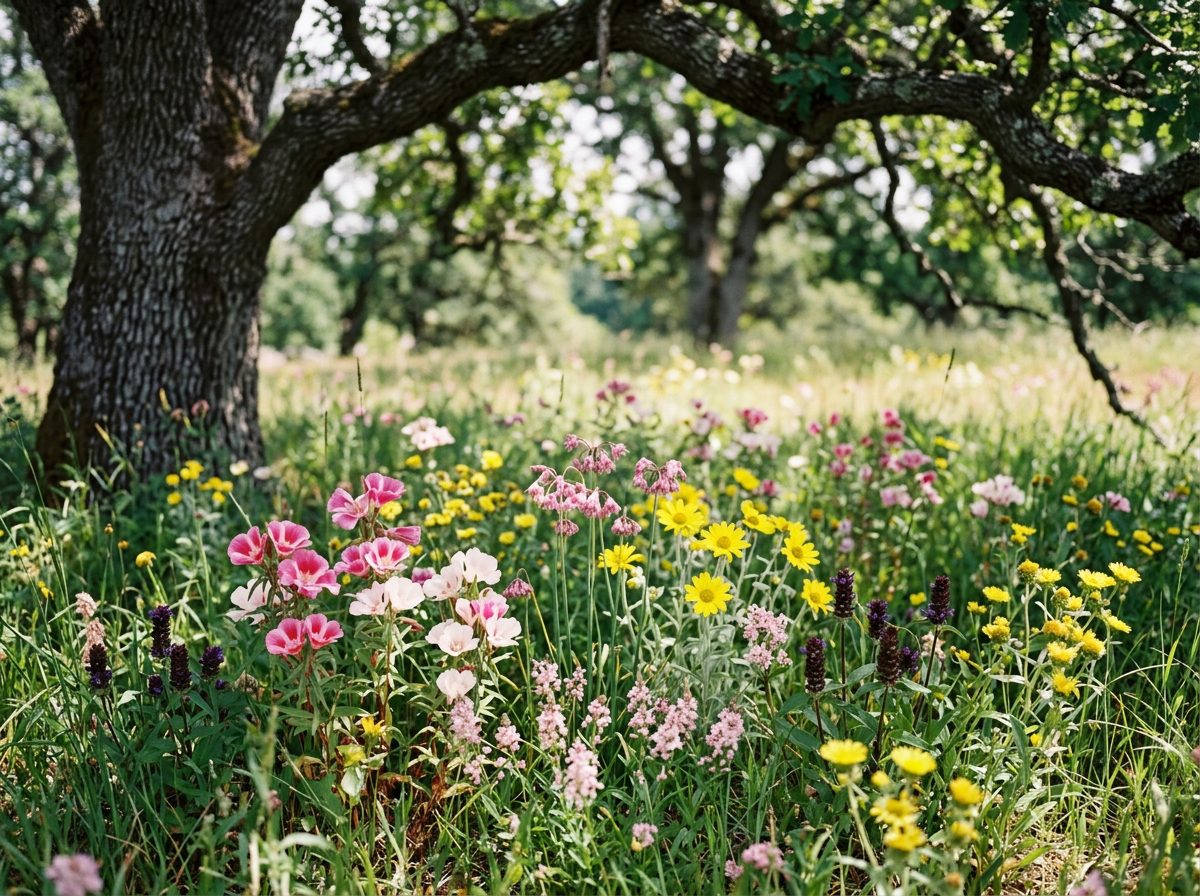
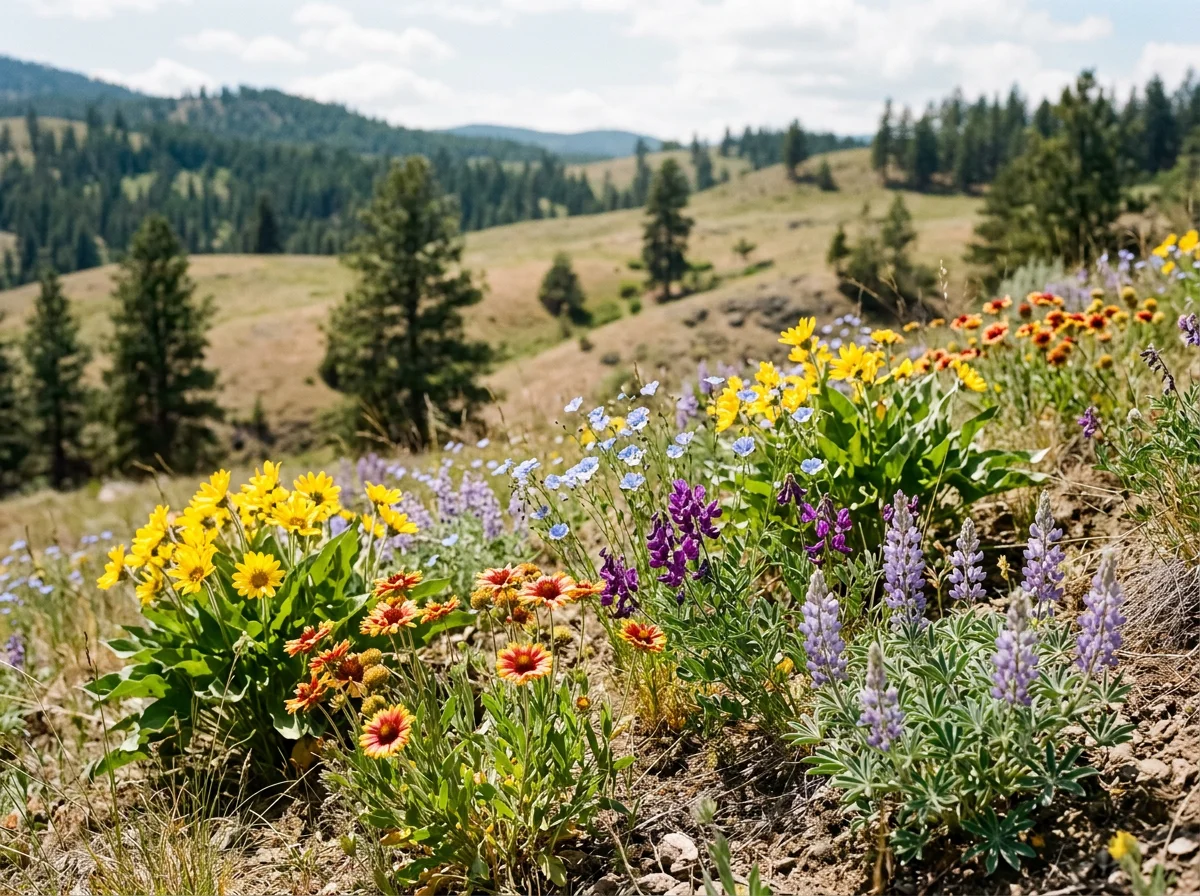
Regional fit: suitable sites within the species’ BC native range, including coastal meadows and open habitats. This is not suitable for every BC ecosystem; obtain seed provenance appropriate to the site. Seed content targets one regionally native wildflower species, without nonnative filler seed.