 Image 1 of 2
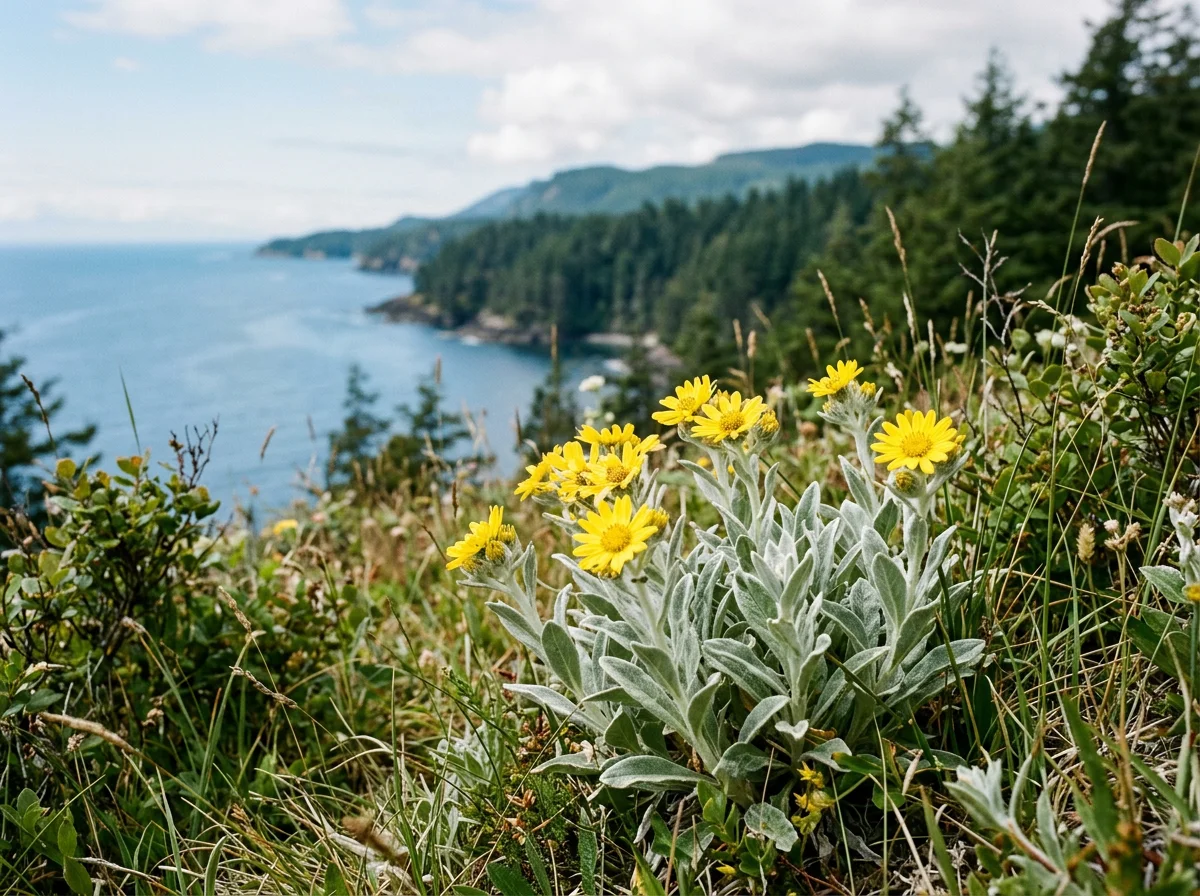 Image 2 of 2
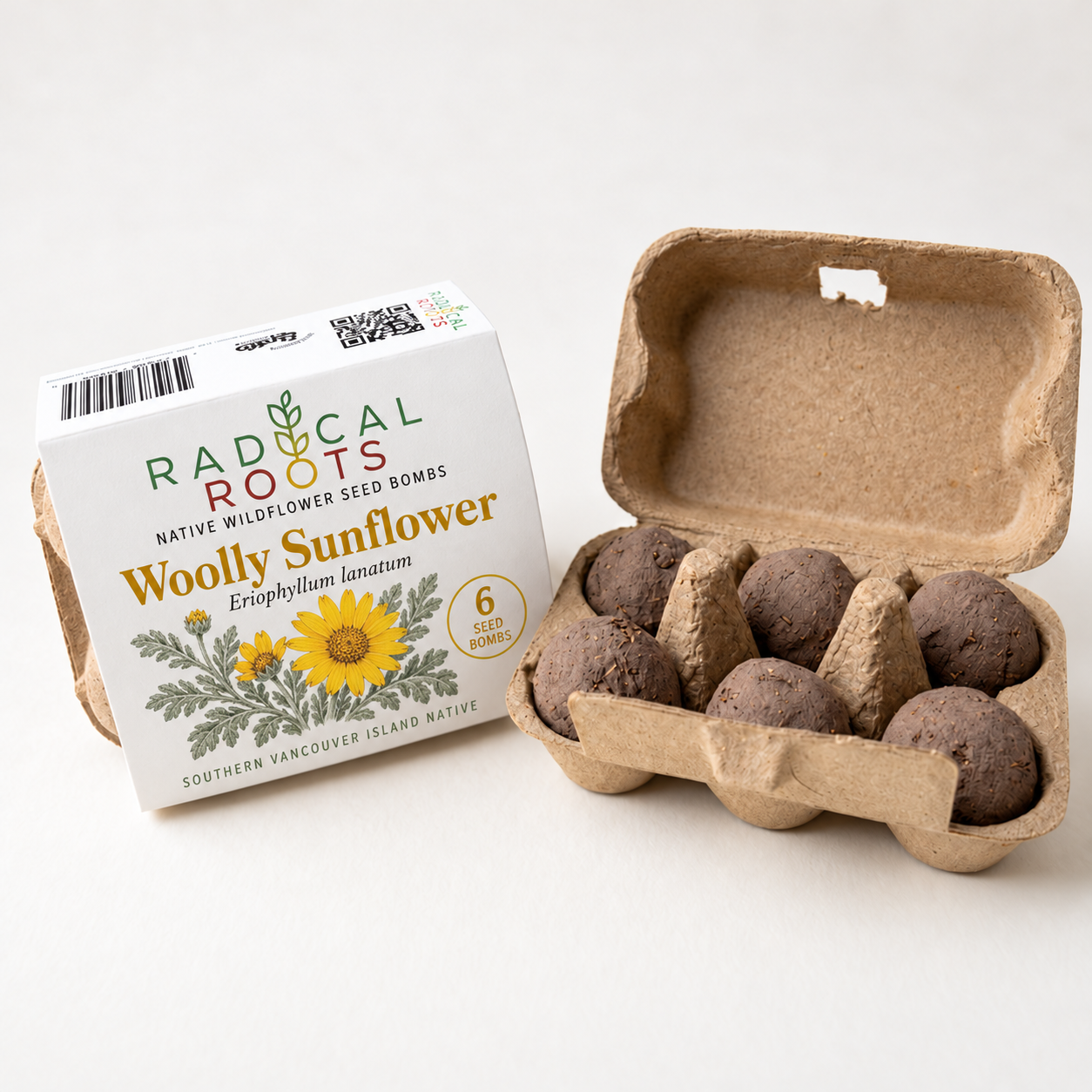
Single-species seed bombs featuring woolly sunflower (Eriophyllum lanatum), for suitable sunny, well-drained garden and meadow sites on southern Vancouver Island.
Yellow flowers and soft, woolly foliage bring a compact native perennial to dry-to-medium-moisture plantings. Choose full sun and good drainage. Suitable applications include prepared rock gardens and meadow patches; do not scatter into intact habitat or established lawn. Water and manage competing vegetation while seedlings establish.
When to plant: fall is the preferred draft recommendation, so the seed bombs can experience natural winter moisture and chilling before spring. Chilling needs vary with seed origin: published protocols range from 30–60 days to about 90 days. The final instruction must match the purchased seed lot. Spring placement may give delayed or uneven emergence if that lot still needs chilling; the coating does not remove dormancy.
How to plant: remove the seed bombs from the carton. Place them directly on exposed, prepared soil with good soil contact in the habitat described below. Do not bury the whole bomb or scatter it into an established lawn. Water gently after placement and as needed to soften the coating and help it break down. Keep the planting surface moist, but not waterlogged, during germination and early growth; rain may provide some of this moisture.
Leave the seed bombs outdoors after planting. Do not soak them in a container or refrigerate damp bombs or the carton. Emergence can be uneven, and perennial plants may need more than one growing season to flower.